FDIC-Insured - Backed by the full faith and credit of the U.S. Government
Cyber Safety: Holidays and Beyond
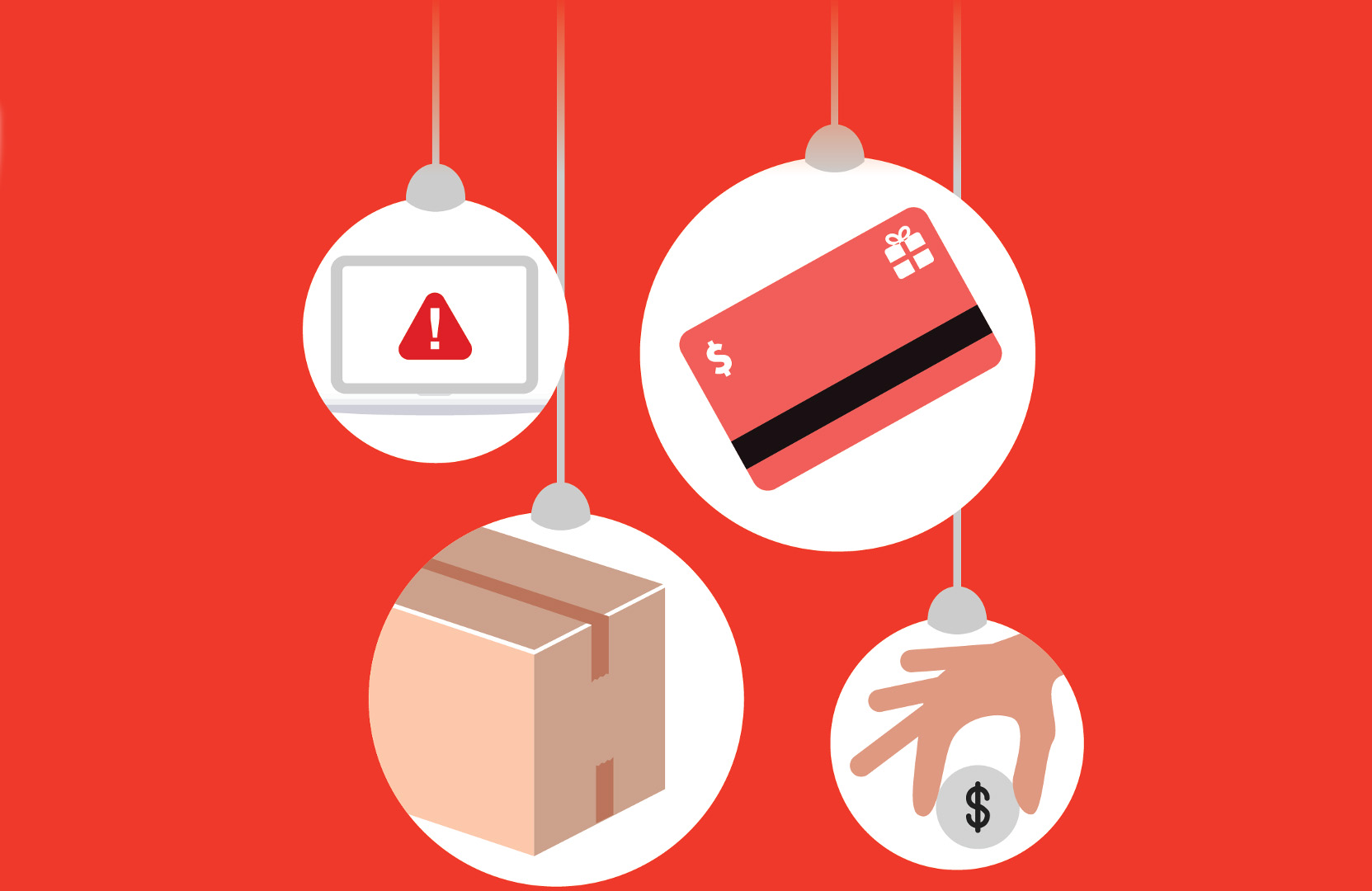
The holidays are all about joy and generosity but be aware of scammers waiting in the wings to spoil the holidays. While you’re busy spreading cheer, they’re busy plotting ways to spoil your celebrations.
According to CBS News, Americans lost a jaw-dropping $16.6 billion to scams last year, a 33% increase from 2023. This is a reminder that cyber vigilance matters every day, not just during the holidays.
Common Holiday Scams to Watch For
Cybercriminals love the holidays, but their tricks don’t stop when the decorations come down. Here are scams that pop up during festive seasons and can strike at any time:
Charity Scams. Scammers set up fake charities or spoof real ones to tug at your heartstrings and your wallet. Always verify before you donate, whether it’s December or June.
Phishing via Holiday E-Cards & Invitations. That e-card or party invite can contain a malicious link which can lead to stolen credentials or malware. Bogus Online Retailers: Unknown sites offering huge discounts can be an indicator of a fake site.
Black Friday & Cyber Monday Malvertising. Fake ads for real stores spike during big shopping events, but malvertising is a year-round threat. Always double-check URLs before you buy.
Gift Card Cons. Free gift cards might sound amazing, but these scams trick you into sharing sensitive info for prizes that never arrive.
Malware QR Codes. QR codes are convenient, but scammers are turning them into traps. They place malicious codes over real ads or in random places, leading you to malware-infested sites.
AI-Powered Travel Scams. Fraudsters now use AI to create deepfake videos and cloned voices promoting fake vacation rentals and holiday deals. They look and sound real, but you’ll end up with an empty wallet and stolen personal info. These scams aren’t seasonal; they can strike whether you’re planning winter holidays or summer getaways.
Warning Signs to Watch for Every Day
Before you click, watch for red flags like unexpected emails or calls asking for information they should already have. Be cautious of messages with an urgent tone or veiled threats, such as “you have five minutes to respond” or guilt-inducing language. And avoid sites with vague return policies or ones that only list an email address for contact.
Smart Prevention Tips for All Seasons
Check before you trust. Verify websites and charities through reputable sources like the Better Business Bureau or Get Safe Online.
Scrutinize the URLs and links. Misspellings or strange domains in a URL are classic warning signs. Never click unknown links or share personal or banking details.
Device security. Keep software updated and enable automatic security patches. Turn on multi-factor authentication wherever possible.
Watch your accounts. Regularly review statements for unusual activity.
Report and block. Copy the message and forward it to 7726 (SPAM), then block and delete. This helps your wireless provider spot and block similar messages in the future.
Suspect Fraud? Take Action Now
If you think you’ve been scammed, act fast. Start by changing passwords for any accounts that might be compromised. Next, report the incident to IC3.gov, notify local law enforcement, and file a complaint with the Federal Trade Commission. If you notice unusual activity on your financial accounts or suspect a data breach, contact your bank or financial institution right away to protect your money and identity.